The personal care and hygiene market continues to offer opportunities for businesses interested in launching their own branded products. However, establishing an independent soap manufacturing facility can require significant investment in equipment, infrastructure, skilled professionals, raw materials, packaging, and quality-control systems. Third party soap manufacturers provide an alternative by allowing businesses to outsource production while concentrating on branding, marketing, sales, and distribution.
What Are Third Party Soap Manufacturers?
Third party soap manufacturers produce soap products on behalf of other businesses. The client company can market the finished products under its own brand name, while the manufacturing partner manages the agreed production activities.
Depending on their facilities and expertise, manufacturers may produce bathing soaps, herbal soaps, moisturizing soaps, glycerin soaps, beauty soaps, specialty soaps, and other personal-care formulations. Product availability varies between manufacturers, so businesses should select a partner according to their specific requirements.
Why Choose Third Party Soap Manufacturing?
One of the key benefits of third party manufacturing is reduced investment in production infrastructure. Building a dedicated manufacturing unit involves expenses related to machinery, premises, utilities, technical staff, quality-control systems, storage, and packaging operations.
By outsourcing manufacturing, businesses can direct more attention toward developing their brand and reaching customers. Startups, retailers, distributors, salons, hospitality businesses, and established personal-care companies can use this model to introduce or expand soap product lines.
Third party manufacturing can also provide greater flexibility when demand changes. Businesses can discuss production quantities with their manufacturing partners and plan orders according to their commercial requirements.
Product Customization and Branding
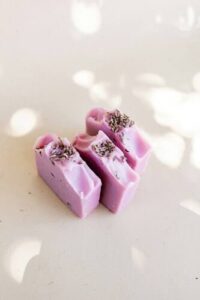
Brand identity is an important consideration in the competitive soap market. Depending on their capabilities, Third Party Soap Manufacturers may offer customization related to fragrance, formulation, shape, size, color, packaging, and labeling.
Businesses can discuss their product concept with the manufacturer and determine which specifications are practical for production. Customized packaging can include branded wrappers, boxes, labels, and other presentation formats.
Clear communication at the beginning of a project is essential. Product specifications, packaging artwork, order quantities, and delivery expectations should be confirmed before manufacturing begins.
Quality Control Matters
Quality is a critical consideration when selecting a third party soap manufacturer. Businesses should evaluate manufacturing infrastructure, raw-material handling procedures, production processes, testing practices, documentation, and applicable compliance requirements.
Consistent quality helps brands maintain a reliable customer experience. Manufacturers should have appropriate procedures for monitoring production and checking finished products against defined specifications.
Packaging should also receive attention. Proper packaging helps protect soap products during transportation, storage, and retail handling. It can also communicate essential product information while supporting the brand’s visual identity.
How to Select the Right Manufacturer
Choosing a suitable manufacturing partner requires more than comparing quotations. Businesses should consider production capacity, product range, customization options, quality-control systems, packaging capabilities, minimum order quantities, lead times, and communication.
It is beneficial to discuss the complete manufacturing process before placing an order. Companies should clarify pricing, specifications, payment terms, packaging requirements, delivery schedules, and quality responsibilities in advance.
Businesses planning long-term growth should also consider whether a manufacturer can handle increased production volumes and support additional products as the brand expands.
Opportunities for Growing Soap Brands
The demand for personal hygiene and grooming products provides opportunities for businesses to develop differentiated soap ranges. Brands can explore products aimed at different consumer preferences, price segments, packaging formats, and retail channels.
However, successful brand development depends on several factors, including consistent product quality, appropriate positioning, effective marketing, dependable supply, and customer-focused distribution.
Working with an experienced third party manufacturer can allow businesses to access established production capabilities while maintaining control over their branding and market strategy.
Conclusion
Third party soap manufacturers offer a practical production solution for businesses that want to establish or expand their own soap brands. Outsourcing manufacturing can reduce the need for extensive production infrastructure while providing access to manufacturing expertise, customization, and packaging support. By carefully evaluating quality standards, production capabilities, product options, minimum order requirements, and commercial terms, businesses can develop a reliable manufacturing partnership and build a strong foundation for growth in the personal care market.