probationary employees claim wrongful dismissal
The question “Can probationary employees claim wrongful dismissal?” often causes confusion because many workers believe that being on probation means they have no protection at all. Employers sometimes reinforce this misunderstanding by suggesting that probationary employees can be dismissed for any reason without consequence. While it is true that probation does allow employers more flexibility to evaluate suitability for a role, it does not eliminate basic legal rights. In some situations, probationary employees may still be able to pursue claims related to Wrongful Dismissal, especially when the employer fails to act in good faith or violates statutory or contractual requirements during the termination.
Probation is intended to provide employers with an opportunity to assess performance, skills, and compatibility. If the employee does not meet expectations, the employer can terminate the employment more easily than with a permanent employee. However, this does not mean that a probationary worker can be dismissed arbitrarily. Employers must follow fair procedures, such as providing performance feedback, giving reasonable time to adjust, and ensuring that the decision to terminate is not based on discriminatory or retaliatory motives. If the employee was dismissed without genuine assessment of performance or because of reasons such as pregnancy, filing a complaint, or requesting accommodation, the termination may fall under wrongful dismissal despite the probationary status.
The employment contract is also a determining factor in whether Wrongful Dismissal applies. Many contracts contain clauses outlining how much notice or compensation must be provided to probationary employees. If an employer does not comply with its own contract terms, the affected worker may have grounds to pursue legal action. Probationary employees sometimes assume that they waived their rights by signing a contract, but in many cases the law overrides clauses that are too restrictive, unclear, or inconsistent with minimum employment standards. When such contractual violations occur, they may form the basis for a claim of Wrongful Dismissal.
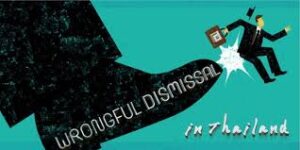
Can probationary employees claim wrongful dismissal?
Another consideration is whether the employer acted in good faith during the termination. Courts have increasingly recognized that the manner of dismissal matters. Even when employers have the right to end the employment relationship, they must do so respectfully and without causing unnecessary harm to the employee’s dignity or reputation. If a probationary employee is terminated in a humiliating or damaging manner, or if the employer makes reckless allegations without evidence, additional compensation may be awarded. The fact that the employee is on probation does not excuse an employer from treating them fairly.
It is also important to understand that probation does not protect employers from claims involving discrimination or human rights violations. If the termination is linked to factors such as disability, age, race, religion, or gender, the employee may pursue legal remedies regardless of their probationary status. These claims can overlap with or lead to Common law reasonable notice vs contract in circumstances where the termination violates fundamental workplace rights.
In conclusion, probationary employees are not without legal recourse. While employers can end probationary employment more freely, they must still act fairly, follow contract terms, respect human rights, and avoid improper motives. If a termination during probation breaches these standards, the employee may be able to seek compensation for wrongful dismissal. Any probationary employee who believes their dismissal was unfair should review the circumstances closely and consider obtaining legal guidance to understand their rights and potential remedies.

